







Overview
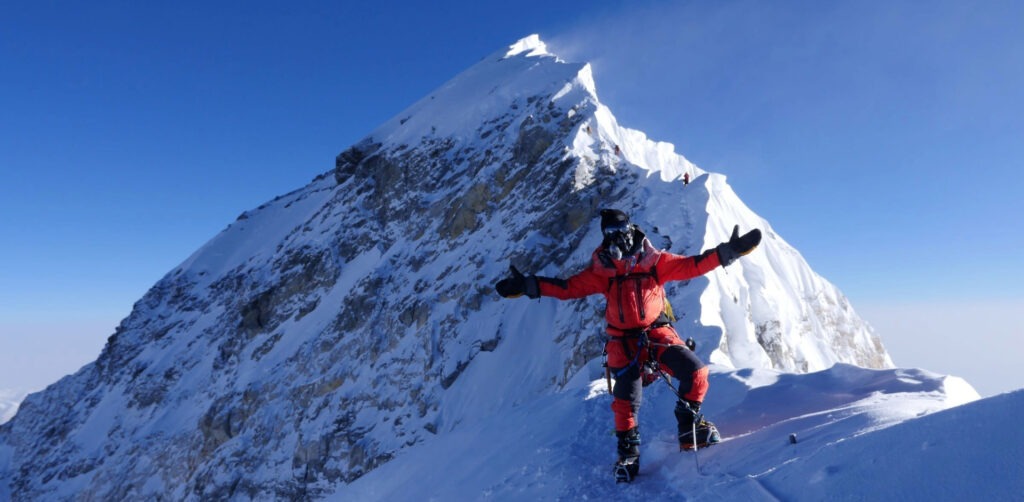
The Everest Base Camp trek stands as one of the most legendary adventures in the Himalayas, offering awe-inspiring vistas of towering, snow-covered peaks and an immersive journey into the rich Sherpa culture. This trek leads adventurers through dense rhododendron forests, charming mountain villages, and rugged high-altitude trails, culminating at the base of the world’s tallest peak, Mount Everest.
Along the way, trekkers experience the warmth of local hospitality, explore ancient monasteries adorned with fluttering prayer flags, and witness the breathtaking beauty of Sagarmatha National Park, home to rare wildlife. The route also includes iconic landmarks like Namche Bazaar, the gateway to Everest, and the stunning Tengboche Monastery, where spiritual serenity meets mountain grandeur.
This trek is not just a physical challenge but also a deeply fulfilling experience, testing endurance and rewarding travelers with unparalleled views and a profound sense of achievement. Whether standing at the foot of Everest or gazing at its summit from Kala Patthar, every moment of the journey is a testament to the spirit of adventure and discovery.
Trip Highlights
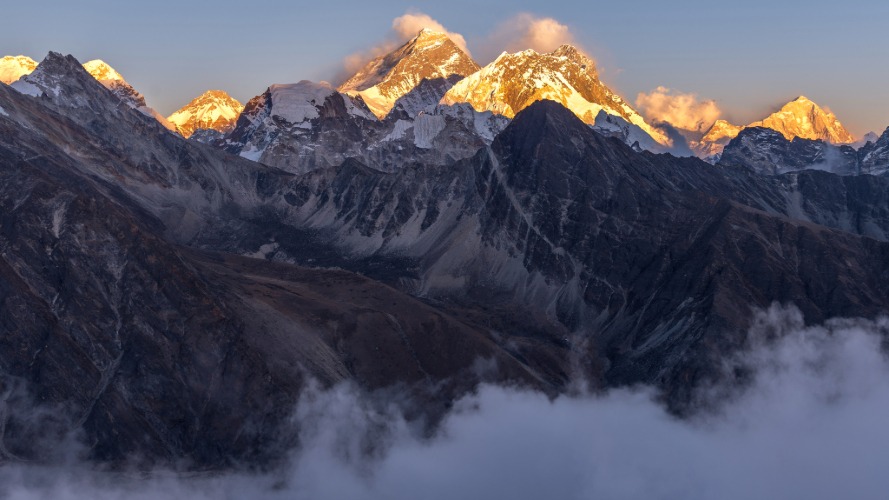
- Marvel at the stunning panorama of Mount Everest alongside towering peaks such as Lhotse, Nuptse, and Ama Dablam.
- A picturesque beginning featuring stunning views of the Himalayas and the Dudh Koshi River.
- Namche Bazaar, a lively Sherpa town known as the gateway to Everest, is a popular spot for acclimatization during the journey.
- The breathtaking Khumbu Icefall, situated just below Everest Base Camp.
- Opportunity to explore the historic Tengboche Monastery.
- Climb to Kala Patthar (5,545m) for breathtaking, up-close views of Everest, particularly during sunrise or sunset.
- The trek tests both physical and mental strength, offering a deeply rewarding and unforgettable life experience.
Itinerary
Upon your arrival at Kathmandu Tribhuvan International Airport, our representative will be there to meet and welcome you. Look for a sign displaying your name as you exit the Arrival Terminal Hall after collecting your luggage. You will then be escorted to your hotel.
Welcome to Kathmandu, the historic capital of Nepal, a city that exudes the charm of an ancient mountain kingdom. Its narrow alleyways, intricately carved wooden temples, and beautifully adorned palaces create an atmosphere reminiscent of a medieval era.
Upon reaching your hotel, you will receive a refreshing welcome drink along with your room key. Before checking into your room, our trek guide will conduct a short briefing to ensure you are well-prepared and properly equipped for the adventure ahead.
For a smoother experience, we recommend scheduling your arrival in Kathmandu during the morning or daytime. This will allow you to rest, recover from jet lag, and make any last-minute purchases or equipment rentals at Thamel, Kathmandu’s bustling tourist hub, before embarking on your trekking journey.
Meals Included: None
Accommodation: Standard Hotel
Altitude: 1336 Meter
After an early breakfast, we head to Kathmandu’s domestic airport for our flight to Lukla.
Flight to Lukla
- Duration: Approximately 30-40 minutes
- Departure: Early morning (typically between 6:00 AM and 8:00 AM)
As Lukla’s high-altitude airport (2,810m) is surrounded by mountains, flights rely heavily on clear weather. The journey is operated by small aircraft, such as Twin Otters, due to the airport’s short runway. However, flight delays are common, sometimes lasting hours or even days due to unpredictable Himalayan weather, including fog, wind, and poor visibility.
Alternatively, if flights from Kathmandu are unavailable, we drive to Manthali (Ramechhap) (474m), a 5 to 6-hour journey, followed by a short 20-minute flight to Lukla.
Arrival in Lukla & Trek to Phakding
Upon arrival, you’ll be welcomed by porters as we prepare for the trek. The trail descends towards Phakding (2,610m), following the Dudh Koshi River and crossing several scenic suspension bridges. Along the way, we pass through charming Sherpa villages like Chheplung and Ghat, offering stunning views of rolling hills and snow-capped peaks.
The descent from Lukla to Phakding is relatively moderate, allowing for proper acclimatization and a comfortable start to your adventure.
Overnight at Tea House
In Phakding, we stay at a traditional Tea House, which offers cozy accommodations and authentic Nepalese meals, including dal bhat (lentil soup with rice), momos (dumplings), and noodle soups.
Additional Notes
- Packing Essentials: If you missed any gear shopping in Kathmandu, Phakding has small shops with trekking supplies.
- Acclimatization: At this altitude, altitude sickness is unlikely, but staying hydrated and avoiding excessive exertion is crucial for a smooth trek ahead.
Meals Included: Breakfast/Lunch/Dinner
Accommodation: Tea House
Altitude: 2810- 2610 Meter
Journey from Phakding to Monjo & Acclimatization
Phakding is a quaint village nestled along the banks of the Dudh Koshi River. After a restful night, the trek continues with a descent into the river valley, where you will cross several suspension bridges, each offering breathtaking views of the surrounding landscapes. The most iconic of these is the Hillary Suspension Bridge, located just before reaching Monjo. These crossings provide an incredible opportunity to take in the beauty of the Himalayas.
During this stretch, you will also catch your first glimpse of Mount Everest, though it may be partially obscured by surrounding peaks.
Acclimatization & Altitude Adjustment
As you ascend, the terrain becomes steeper and more rugged, with rocky paths requiring careful footing. The effects of altitude may start to become noticeable, making it essential to pace yourself and stay hydrated.
To ensure a smooth transition to higher elevations, an acclimatization day is scheduled. This allows your body to adjust to the thinner air, reducing the risk of altitude sickness. Taking this extra time helps prepare you for the more demanding sections of the trek ahead.
Meals Included: Breakfast/Lunch/Dinner
Accommodation: Local Lodges
Altitude: 2610 Meter
Acclimatization Day in Namche Bazaar
Namche Bazaar, a vital stop in the Khumbu region, serves as an essential acclimatization point to help trekkers adjust to higher altitudes and prevent altitude sickness. Taking a rest day here is crucial for a smoother ascent in the coming days.
Morning Activities & Hike to Syangboche
The day begins with a nutritious breakfast at your lodge, with a variety of meal options, from traditional Nepalese cuisine to Western-style breakfasts. For those looking to stay active, a hike to Syangboche (1-2 hours) is highly recommended. This short trek provides an opportunity for further acclimatization while rewarding you with spectacular views of Everest, Lhotse, and Ama Dablam.
For an extended adventure, you can continue towards the Everest View Hotel (3,800m), a famous viewpoint offering breathtaking panoramas of Everest and surrounding peaks. Here, you can relax, capture stunning photos, and soak in the incredible scenery.
Afternoon Rest & Preparation
After returning from the hike, the afternoon is dedicated to relaxation and preparation for the upcoming trekking days. Take this time to rest at the lodge, explore the vibrant market of Namche Bazaar, and enjoy the unique Sherpa culture.
Acclimatization & Health Tips
To ensure your body adapts well to the altitude, follow these guidelines:
✅ Hydrate well – Drink plenty of water and herbal tea.
✅ Eat nutritious meals – Focus on carbohydrates and protein for energy.
✅ Rest adequately – Avoid overexertion and allow your body time to adjust.
This strategic acclimatization day in Namche Bazaar will significantly enhance your trekking experience, helping you adapt comfortably before venturing to higher elevations.
Meals Included: Breakfast/Lunch/Dinner
Accommodation: Local Lodges
Altitude: 2610 Meter
Trek from Namche Bazaar to Tengboche
This segment of the journey takes you deeper into the Khumbu region, offering some of the most stunning views of Mount Everest, Ama Dablam, and Lhotse. The trek typically lasts 5-6 hours, covering approximately 10-12 kilometers (6-7.5 miles) with an elevation gain of around 600 meters (1,970 feet).
Scenic Descent & River Crossing
The day begins as you depart from Namche Bazaar, following a well-marked trail toward Kyangjuma, a charming Sherpa village. The initial descent is gradual, passing through lush rhododendron and pine forests. Along the way, the Namche Viewpoint provides a breathtaking panorama of Everest, Lhotse, and Nuptse.
After Kyangjuma, you will descend toward the Dudh Koshi River, where a suspension bridge crossing awaits. The fast-flowing river creates a dramatic backdrop, making it a fantastic spot to pause and admire the landscape.
Challenging Ascent to Tengboche
Following the river crossing, the ascent to Tengboche begins. This section of the trail is more challenging, featuring steep climbs, but the effort is rewarded with picturesque views and vibrant forests of pine, juniper, and rhododendron. If you’re trekking in spring, the rhododendrons bloom in bright shades of red and pink, adding a splash of color to the trail.
A stop at Phunki Thenga, a small village along the route, offers a great place to rest and refuel before continuing the climb toward Tengboche.
Arrival at Tengboche
Situated at 3,860 meters (12,664 feet), Tengboche offers breathtaking panoramic views of Everest, Lhotse, Nuptse, and the iconic Ama Dablam. The Tengboche Monastery, one of the most significant Buddhist monasteries in the region, is a highlight of this stop. If timing allows, you may have the opportunity to attend a prayer ceremony or explore the serene monastery grounds.
Acclimatization & Weather Considerations
- Altitude (3,860m): Take it easy, stay hydrated, and be mindful of altitude sickness symptoms.
- Weather: The weather in the Everest region is unpredictable, so layering is essential for warmth and comfort.
This scenic yet demanding day of trekking brings you closer to Everest Base Camp, immersing you further in breathtaking Himalayan landscapes and rich Sherpa culture.
Meals Included: Breakfast/Lunch/Dinner
Accommodation: Local Lodges
Altitude: 3860Meter
Trek from Tengboche to Dingboche
This segment of the journey takes you deeper into the Khumbu Valley, offering spectacular Himalayan views while transitioning into higher-altitude landscapes. Covering 10-12 kilometers (6-7.5 miles) in approximately 5-6 hours, the trail gradually ascends past the tree line, revealing breathtaking panoramas of Ama Dablam, Everest, Lhotse, and Nuptse. As you venture further, the terrain becomes more rugged and remote, with yak pastures and traditional Sherpa villages enhancing the experience.
Scenic Descent & River Crossing
The trek begins with a gentle descent from Tengboche towards the Imja Khola River, winding through rhododendron and juniper forests. This downhill stretch lasts for about 30-40 minutes, making for an easy start before the trail transitions into a steady climb.
As you ascend, the majestic Ama Dablam dominates the skyline, creating awe-inspiring views at every turn. You’ll encounter yaks grazing along the way, as well as local herders managing their livestock in these high-altitude pastures.
Stop at Pangboche Village
Upon reaching Pangboche (3,985m), you can take a well-deserved break at a local teahouse. This village is home to one of the oldest monasteries in the Khumbu region, the Pangboche Monastery. If time permits, a short detour to visit this sacred site offers insight into local Buddhist traditions.
Final Ascent to Dingboche
From Pangboche, the trail continues to climb, gradually gaining altitude as it leads toward Dingboche (4,410m). As you cross the tree line, the landscape transforms into rocky terrain and open pastures, further emphasizing the harsh yet stunning beauty of the Himalayas.
Acclimatization & Weather Considerations
- Altitude (4,410m): Dingboche sits at a significantly higher elevation, making proper acclimatization crucial. Trek at a slow, steady pace, drink plenty of water, and be mindful of altitude sickness symptoms.
- Weather: The temperature drops noticeably as you ascend. Layered clothing, including a warm jacket, gloves, and a hat, is essential to stay comfortable in the colder conditions.
This stretch of the trek offers a mix of adventure, culture, and breathtaking scenery, setting the stage for the higher-altitude challenges ahead.
Meals Included: Breakfast/Lunch/Dinner
Accommodation: Local Lodges
Altitude: 4430 Meter
Acclimatization Day in Dingboche (4,430m)
An acclimatization day in Dingboche is essential for allowing your body to adapt to the higher altitude, reducing the risk of altitude sickness. Instead of complete rest, engaging in light physical activity can significantly aid in the acclimatization process, preparing you for the higher elevations ahead.
Optional Hike: Nagarjun Hill (5,000m)
For those feeling strong, an optional hike to Nagarjun Hill is a great way to enhance acclimatization. This 2-3 hour ascent offers stunning panoramic views of Makalu, Lhotse, Ama Dablam, and Island Peak, rewarding you with a spectacular glimpse of the Himalayan landscape.
Acclimatization Tips
- Stay Hydrated: The higher altitude can cause dehydration, so drink plenty of water throughout the day. Refill your bottle regularly.
- Nutritious Meals: Eat light yet energy-rich meals, including carbohydrates and proteins, to fuel your body.
- Take It Easy: Avoid overexerting yourself. The goal is to allow your body to gradually adjust to the reduced oxygen levels.
- Listen to Your Body: If you experience headaches, dizziness, or nausea, inform your guide or lodge staff immediately.
- Avoid Alcohol: Alcohol dehydrates the body and can worsen altitude sickness symptoms, so it’s best to stay away from it at this elevation.
Dingboche provides a peaceful setting for rest, reflection, and preparation for the challenging trek ahead. This acclimatization day plays a crucial role in ensuring a safe and enjoyable journey to higher elevations.
Meals Included: Breakfast/Lunch/Dinner
Accommodation: Local Lodges
Altitude: 4430 Meter
Trek from Dingboche to Lobuche (4,900m)
This segment of the Everest Base Camp trek takes you higher into the alpine region, covering approximately 6-7 kilometers in 4-5 hours. The gradual ascent offers stunning views of Ama Dablam, Lhotse, Pumori, and Nuptse, while taking you further into the high-altitude zone, requiring proper pacing and hydration.
Trek Highlights
- Start with a Nutritious Breakfast: Fuel up with porridge, eggs, toast, or pancakes, providing essential carbohydrates and protein to sustain your energy.
- Scenic Trails: Walk through alpine meadows with panoramic mountain views, enjoying the serene Himalayan landscape.
- Memorial Site: Pass by stone memorials and stupas dedicated to Sherpas and climbers who have lost their lives in the region, including a tribute to Tenzing Norgay’s son. This peaceful site serves as a somber reminder of the challenges of mountaineering.
Arrival in Lobuche
Upon reaching Lobuche, check in to a teahouse lodge for much-needed rest and acclimatization. The accommodations here are basic yet cozy, with common areas providing limited heating.
Acclimatization & Safety Tips
- Pace Yourself: Avoid rushing to minimize the risk of altitude sickness.
- Stay Hydrated: Drink plenty of water or warm fluids to combat dehydration.
- Dress in Layers: The temperature drops significantly, so pack extra warm clothing for the evening.
- Rest & Observe Symptoms: Be mindful of any altitude sickness symptoms such as headaches, dizziness, or nausea, and inform your guide if needed.
This trek is an essential step toward Everest Base Camp, offering a blend of adventure, breathtaking views, and reflective moments as you move deeper into the Himalayan wilderness.
Meals Included: Breakfast/Lunch/Dinner
Accommodation: Local Lodges
Altitude: 4900 Meter
Trek from Lobuche to Gorak Shep (5,180m) & Everest Base Camp (5,364m)
This section of the Everest Base Camp trek is one of the most thrilling and demanding parts of the journey, covering 4-5 kilometers in 3-4 hours. As you ascend toward Gorak Shep, you’ll experience rocky terrain, glacial moraines, and breathtaking views of Pumori, Nuptse, and Everest.
Trek Highlights
- Challenging Terrain: Navigate through rugged trails, exposed moraines, and uneven rocky paths while trekking at high altitudes.
- Spectacular Views: Witness majestic panoramas of Pumori, Nuptse, and glimpses of Everest, which become more prominent as you get closer.
- Reaching Gorak Shep: Arrive at the final settlement before Everest Base Camp, where basic teahouses provide essential rest and nourishment.
Everest Base Camp Adventure
- After Lunch, Trek to Everest Base Camp (EBC): A 2-3 hour trek takes you to the legendary Everest Base Camp (5,364m), a significant milestone for trekkers and climbers.
- Unparalleled Views: Experience the majestic Khumbu Icefall, towering Himalayan peaks, and colorful expedition tents in the climbing season.
- Photographic Moment: Capture memorable moments at EBC before returning to Gorak Shep for the night.
Acclimatization & Safety Tips
- Altitude Awareness: At 5,180m, the risk of altitude sickness increases. Trek slowly, rest often, and listen to your body’s signals.
- Hydration is Key: The cold, dry air can cause dehydration, so drink plenty of water or warm fluids.
- Cold Weather Precautions: Temperatures can drop drastically, especially in the early morning and evening. Layer up with warm clothing, gloves, and a windproof jacket.
This exhilarating segment of the trek brings you closer to Everest than ever before, offering a truly unforgettable experience in the heart of the Himalayas.
Meals Included: Breakfast/Lunch/Dinner
Accommodation: Local Lodges
Altitude: 5180 Meter – 5362 Meter
Trek from Gorak Shep (5,180m) to Pheriche (4,240m)
After experiencing the breathtaking views from Everest Base Camp (5,364m) or Kala Patthar (5,545m), the journey continues with a gradual descent to the lower-altitude settlement of Pheriche. This trek, covering 7-8 kilometers in 4-5 hours, offers stunning scenery and a much-needed relief from the extreme altitude.
Trek Highlights
- Descending to Lower Altitude: Moving down to Pheriche allows your body to recover and acclimate more comfortably.
- Familiar Landscapes: The trail takes you past the Khumbu Glacier, with magnificent views of Pumori, Lhotse, and Nuptse along the way.
- Easier Trekking Path: Though some sections remain rocky, the descent is significantly less strenuous than the climb up.
Acclimatization & Safety Tips
- Altitude Adjustment: Although Pheriche sits at 4,240m, it is much lower than Gorak Shep, reducing the risk of altitude sickness.
- Hydration & Rest: Descending doesn’t eliminate the effects of altitude, so stay hydrated and listen to your body.
- Medical Support Available: Pheriche is home to a Himalayan Rescue Association clinic, which provides medical assistance if needed.
This descent is a welcome retreat from the harsh high-altitude environment, offering a more comfortable stay while still enjoying the spectacular Himalayan scenery.
Meals Included: Breakfast/Lunch/Dinner
Accommodation: Local Lodge
Altitude: 4250 Meter
Trek from Pheriche (4,240m) to Tengboche (3,860m)
The descent from Pheriche to Tengboche takes you through scenic trails of the Khumbu Valley, offering breathtaking mountain views, charming villages, and lush rhododendron forests. This 9-10 km trek takes about 4-5 hours, with a gradual drop of nearly 400m in altitude, making it moderately challenging but easier than previous days.
Trek Highlights
- Panoramic Views: Enjoy stunning sights of Ama Dablam, Everest, and Lhotse, along with picturesque valleys.
- Rhododendron & Pine Forests: As you descend, the landscape becomes greener, a refreshing contrast to the rocky terrain at higher altitudes.
- Tengboche Monastery Visit (Optional): If you’re feeling up to it, visit the iconic Tengboche Monastery, one of the most significant Buddhist monasteries in the region.
Acclimatization & Safety Tips
- Adapting to Lower Altitude: Though descending, take it easy and listen to your body. You might still feel fatigued from previous high-altitude trekking.
- Unpredictable Weather: Even at a lower altitude, Tengboche can still be cold in the mornings and evenings, so dress in layers.
This trek is a rewarding journey through the Himalayas, offering a balance of cultural experiences and natural beauty as you make your way back through the breathtaking landscapes of Everest's foothills.
Meals Included: Breakfast/Lunch/Dinner
Accommodation: Local Lodges
Altitude: 3860 Meter
Trek from Tengboche (3,860m) to Monjo (3,105m)
The Trek from Tengboche to Monjo takes you through lush forests, traditional Sherpa villages, and scenic river valleys as you continue your descent into the Khumbu Valley. This 11-12 km journey typically takes 5-6 hours, with a gradual drop of 750m in altitude, making it a moderate and enjoyable trek.
Trek Highlights
- Rhododendron & Pine Forests: A beautiful transition from high-altitude terrain to greener landscapes.
- Dudh Koshi River Crossings: Several suspension bridges provide stunning views of the fast-flowing river below.
- Charming Villages: Pass through Dibuche, Phunki Thenga, Namche Bazaar, and other Sherpa settlements.
- Monjo (3,105m): A peaceful village just outside Sagarmatha National Park, perfect for a relaxing overnight stay.
Trail Conditions & Safety Tips
- Mostly downhill, but some short ascents and rocky sections require careful footing.
- Trekking poles can be helpful, especially on the steeper descents.
- Hydration & Nutrition: Continue drinking plenty of water and eating well to aid recovery.
At Monjo, enjoy a quieter, more comfortable night’s rest as you prepare for the final stretches of your journey back to Lukla.
Meals Included: Breakfast/Lunch/Dinner
Accommodation: Local Lodge
Altitude: 3105 Meter
Trek from Monjo (3,105m) to Lukla (2,860m) – Final Day
The final stretch of the Everest Base Camp Trek takes you from Monjo to Lukla, completing your incredible journey through the Khumbu region. Covering 7-8 km, this descent takes about 4-5 hours, allowing you to retrace your steps through picturesque Sherpa villages, forests, and suspension bridges before reaching Lukla.
Trek Highlights
- Crossing the Dudh Koshi River multiple times via suspension bridges.
- Passing through Phakding, where you may stop for a tea break.
- Final ascent to Lukla, a gradual uphill climb to end your trek.
- Celebrating your successful journey with fellow trekkers and guides in Lukla.
Trail Conditions & Safety Tips
- Mostly downhill, but some short ascents near Lukla.
- Morning dew can make the trail slippery, so step carefully.
- Take your time on the final ascent into Lukla, as fatigue may set in.
Post-Trek Considerations
- Rest & Reflect: After days of trekking, Lukla offers a chance to relax, enjoy a hearty meal, and celebrate with your trekking team.
- Stay Hydrated: Even at lower altitudes, proper hydration is key to recovery.
- Prepare for Flight Back: If weather permits, you will fly back to Kathmandu (or Manthali) the next morning, bringing your trek to a close.
This final leg of the journey is a perfect time to soak in the last views of the Himalayas before saying goodbye to the mountains that have accompanied you on this unforgettable adventure.
Meals Included: Breakfast/Lunch/Dinner
Accommodation: Local Lodge
Altitude: 2810 Meter
Flight from Lukla (2,860m) to Kathmandu (1,400m) – The Final Journey
Your Everest adventure concludes with a scenic flight from Lukla to Kathmandu, covering 130 kilometers in about 35 minutes. This short yet breathtaking journey provides one last aerial view of the Himalayas, including Mount Everest, Lhotse, and other towering peaks.
Key Highlights
- Small Aircraft Experience: Flights operate via Twin Otters or Dornier 228s, designed for short, high-altitude runways.
- Scenic Views: A final panoramic glimpse of the Everest region from above.
- Thrilling Takeoff: Lukla’s short airstrip (Tenzing-Hillary Airport) makes for a unique takeoff experience.
Weather & Flight Considerations
- Morning Flights: Most flights operate early in the morning, when weather conditions are most stable.
- Delays & Cancellations: The Himalayan weather is unpredictable, so flight delays or cancellations due to poor visibility, strong winds, or bad weather are common. Always have a flexible schedule.
- Alternative Routes: In case of delays, flights may be rerouted to Manthali Airport (Ramechhap), requiring an additional 4-5 hour drive to Kathmandu.
Arrival in Kathmandu
- After landing at the domestic terminal of Tribhuvan International Airport, you’ll be transferred to your hotel for check-in.
- Take the rest of the day to relax, explore Kathmandu, or celebrate your successful trek.
This flight marks the end of your Everest journey, leaving you with unforgettable memories of the world’s highest peaks and the rich Sherpa culture.
Meals Included: Breakfast/Lunch/Dinner
Accommodation: Local Lodge
Altitude: 1136 Meter
Free Day in Kathmandu – Explore the Cultural Wonders
After your Everest adventure, take a well-deserved break and immerse yourself in Kathmandu’s rich culture, history, and vibrant city life. Here are some must-visit places and activities:
1. Swayambhunath Temple (Monkey Temple)
- A UNESCO World Heritage Site offering panoramic views of Kathmandu.
- Features an ancient stupa, prayer flags, and playful monkeys.
2. Bouddhanath Stupa
- One of the largest stupas in the world and a spiritual hub for Tibetan Buddhists.
- Enjoy the peaceful atmosphere and visit monasteries nearby.
3. Bhaktapur, Kathmandu, or Patan Durbar Square
- Bhaktapur Durbar Square: Best preserved with traditional Newari architecture.
- Kathmandu Durbar Square: Home to the Kumari (Living Goddess).
- Patan Durbar Square: Renowned for intricate temples and arts.
4. Pashupatinath Temple
- One of the holiest Hindu temples, dedicated to Lord Shiva.
- Witness rituals, cremation ceremonies, and the sacred Bagmati River.
5. Thamel – Shopping & Nightlife
- A vibrant area with souvenir shops, restaurants, and bars.
- Enjoy live music, cultural cafés, and Nepali cuisine.
6. Mountain Flight – Aerial View of Everest
- If you missed a clear view of Everest, take a scenic flight over the Himalayas.
- Operated by various airlines in the early morning for the best visibility.
Relax & Enjoy
Use this free day to recharge, shop for souvenirs, or reflect on your trek before heading home. Kathmandu’s blend of history, spirituality, and energy makes it a perfect place to end your Himalayan journey.
Meals Included: Breakfast
Accommodation: Standard Hotel
Altitude: 1336 Meter
Farewell & Departure from Nepal ✈️🇳🇵
As your incredible journey through the Himalayas comes to an end, it's time to say goodbye to the majestic mountains and vibrant culture of Nepal. We hope you had an unforgettable experience trekking to Everest Base Camp and exploring Kathmandu’s rich heritage.
Airport Transfer & Departure
- Our representative will pick you up from your hotel approximately 3 hours before your flight.
- Enjoy your last glimpses of Kathmandu on the way to Tribhuvan International Airport.
- We wish you safe travels and hope to welcome you back for another adventure in Nepal!
Until Next Time!
We hope this journey has left you with amazing memories, breathtaking views, and a deep appreciation for Nepal’s natural beauty and culture. Thank you for choosing us, and we look forward to seeing you on your next adventure!
Meals Included: Breakfast
Accommodation: Standard Hotel
Altitude: 1336 Meter
Includes/Excludes
Cost Included
- Trekkers need a Sagarmatha National Park Permit for park entry and a TIMS Card for registration, ensuring safety and emergency tracking.
- Transportation includes all arrival and departure services, along with round-trip Kathmandu-Lukla flights.
- A licensed trekking guide will accompany you, offering cultural insights and ensuring safety, while a porter will carry up to 10 kg of your gear for a more comfortable trek across varying altitudes and terrain.
- Accommodation includes a standard hotel in Kathmandu and tea houses or lodges along the trekking route, providing basic yet comfortable rooms with beds, blankets, and shared bathrooms, with full-board meals featuring Nepali and some Western options.
- Meals include breakfast, lunch, and dinner, featuring traditional Nepali dishes like dal bhat, momos, soups, and noodles during the trek, along with breakfast in Kathmandu, while snacks such as energy bars and fruits are provided, though additional drinks may incur extra charges.
- Trekking agencies ensure insurance coverage for guides and porters, including emergency evacuation and accident protection.
- Guides typically carry a basic first aid kit for emergencies, but trekkers are advised to bring personal supplies for common issues like blisters, headaches, or digestive problems.
- In emergencies, satellite phones or radio communication may be available in remote areas.
Cost Excluded
- International airfare to and from Nepal is not included in the trekking package.
- Trekkers are responsible for arranging their own travel insurance, even though the guide and porter may be insured.
- Personal expenses, including snacks, beverages (such as bottled water, soft drinks, or alcohol), and personal items like toiletries, are usually not covered.
- Visa Fee:-The cost of obtaining a Nepal visa is not included in the package.
- Tips for guides and porters are not mandatory but are generally expected and appreciated.
- Extra Services:- Optional services, such as extra accommodation, extra meals, or activities (e.g., paragliding, yoga classes), are generally not included.
- Trekking gear such as sleeping bags, down jackets, or trekking poles can be rented at an affordable price, though bringing your own high-quality gear is recommended.
- In the Everest Base Camp trekking region, hot water costs vary by location and lodge type: Drinking water is around 3 AUD per liter, hot showers cost approximately 9 AUD, and boiled water for refilling bottles is about 2 AUD per liter.
FAQs
The Everest Base Camp trek is moderately challenging, requiring long daily walks (5-8 hours) with steep ascents and descents at high altitudes. However, with adequate acclimatization and physical preparation, most trekkers can complete it successfully.
The trek typically takes 12-14 days, including acclimatization periods, covering a total distance of approximately 130 km (80 miles) round trip.
The best trekking seasons are:
✅ Spring (March-May) – Pleasant temperatures, clear skies, and vibrant rhododendron blooms.
✅ Autumn (September-November) – Stable weather, excellent visibility, and moderate temperatures.
Winter (December-February) brings extreme cold, while the monsoon season (June-August) experiences heavy rainfall and poor visibility.
While not mandatory, hiring a guide is highly recommended for navigation, safety, and cultural insights. A porter can carry your gear, making the trek more comfortable. Additionally, employing them supports the local economy.
Trekkers need two permits: the Sagarmatha National Park Entry Permit and the Khumbu Pasang Lhamu Rural Municipality Permit, both of which can be obtained in Kathmandu or Monjo.
Everest Base Camp sits at an altitude of 5,364 meters (17,598 feet) above sea level.
Yes, altitude sickness is a significant concern. To minimize the risk:
✔ Acclimatize properly by spending extra nights in Namche and Dingboche.
✔ Ascend gradually, avoiding gains of more than 500m per day above 3,000m.
✔ Stay hydrated and avoid alcohol.
✔ Consult your doctor about taking Diamox as a preventive measure.
Teahouses (lodges) provide basic yet comfortable lodging with twin-sharing rooms and shared bathrooms. Facilities become more limited at higher altitudes.
Teahouses offer a variety of meals, including dal bhat (rice, lentils, vegetables) for sustained energy, along with noodles, pasta, momos, porridge, eggs, bread, and pancakes. Beverages like tea, coffee, hot lemon, and ginger honey tea are also available.
Yes, Wi-Fi is offered at most teahouses for a small fee, and mobile networks (Ncell & Namaste) work in some areas. Electricity is available, but charging electronic devices incurs an additional cost at higher altitudes.
Yes, travel insurance is strongly recommended. It should include coverage for high-altitude evacuation (above 5,000m), medical emergencies, and trip cancellations or delays.
Yes, you can trek solo, but having a guide is safer. While the route is well-marked, challenges like weather, altitude, and health risks make solo trekking more demanding.
In case of altitude sickness or other emergencies:
✔ Descend immediately to a lower altitude.
✔ Seek medical assistance at health posts in Namche or Pheriche.
✔ Helicopter evacuation is available if you have proper insurance.
Road Map


